


Five Shifts Required to Make the Leap from IT Leader to CIO
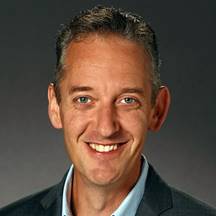
Deep technical skills are not enough to succeed as a CIO, writes Eduard de Vries Sands, former CIO of EVERSANA, a company that serves the life sciences industry. In this article, he argues that the role requires a strategic perspective, the ability to act in spite of uncertainty, and a focus on business value and to demonstrate clear leadership.
How to Think of Cybersecurity, Risk Management and Ethics as Strategic Enablers
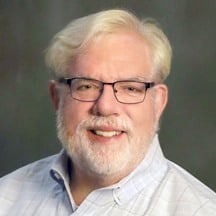
In this excerpt from Beyond the Algorithm, his new book about leading in the AI era, executive coach Joe Topinka explains how to turn strong risk management practices into a strategic asset that fosters collaboration and innovation. He writes that when cross-functional risk leaders, business unit partners and risk enablement teams collaborate well, “they protect the business while enabling it to move with speed and confidence."
The Technology Behind the Winter Olympics

Along with TV, streaming audiences and spectators, a raft of technologies will be keeping time, analyzing athletes’ performances and assisting competition officials at the 2026 Winter Olympic Games in Milan-Cortina, Popular Science reports. “A complex web of AI-enabled cameras, stopwatches, sensors and fast-flying drones capable of tracking performance down to fractions of a second” are on hand, the magazine notes. Among the gear: Omega, the Swiss watchmaker, has a camera capable of capturing up to 40,000 frames per second to assess photo finishes in speedskating and other timed races.
Featured Executive Placement: MasterBrand

Heller was recently retained by MasterBrand to recruit a Director, Infrastructure. MasterBrand, Inc. is the largest manufacturer of residential cabinets in North America and offers a comprehensive portfolio of residential cabinetry products for the kitchen, bathroom, and other parts of the home. For this role, we identified Chris Henn, who most recently served as Senior Director Cloud Operations at STERIS. Henn holds a B.B.A. and MBA from Kent State University. Congratulations, Chris!



-
AI-powered Transformation at ConocoPhillips is Fueling the Future
-
CSO hiring on the rise: How to land a top security exec role
-
Leading Change: How to Handle Three Reactions
-
In Japan, the Stratosphere Is Telecom’s Next Frontier