

New Survey: Technology Outgrew Its Measurement Systems. Even GDP Can't Keep Up.

The instruments used to measure technology’s impact—at both the enterprise and national economy levels—haven't kept pace with what technology has become, according to a new survey from The Technology Economists. Founder Howard Rubin explains why the old instruments no longer work, and what a new one might look like. “Today we need to focus on technology investment, the cost of technology capital, and its value to nations, businesses, and people," Rubin says.
Timothy Youngblood on Building the AI-enabled Security Team
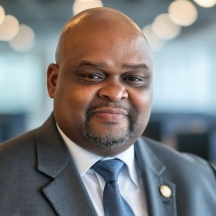
Yes, AI is beginning to automate some of cybersecurity's traditional entry-level work. The bigger story, longtime security executive Timothy Youngblood argues in this Cyber Means Business series interview, is how the technology is reshaping the skills, structures and leadership models security organizations need to succeed. For CISOs, the changes mean rethinking how they develop talent, organize teams and position security to lead AI adoption across the business.
Questions about Former White House Official Have Recruiters Talking about Vetting Candidates

Former White House Press Secretary Katie Zacharia's ouster within a week – after questions about her legal career revealed she had never passed the bar – caused a stir among recruiters, Business Insider reported. Heller CEO Martha Heller told the publication verifying credentials is a standard practice. Heller told of calling the college where an executive candidate had claimed to earn a degree, but where a flood destroyed records. The college said there had been no flood. "It was like detective work," Heller said, adding the issue was not the lack of a college degree. The problem was that the candidate misrepresented his education and then doubled down when questioned, she said.
Heller Promotes Beth Martins to Principal

Heller announced the promotion of Beth Martins to principal, a role in which she will continue to foster close client partnerships grounded in a deep understanding of each organization’s distinct goals, strategic priorities and leadership needs. “Beth’s promotion signifies not only her exceptional performance, but our commitment to developing talent and promoting from within,” says CEO Martha Heller. “Our clients and candidates trust Beth’s keen eye for executive technology talent.”



-
AI-powered Transformation at ConocoPhillips is Fueling the Future
-
CSO hiring on the rise: How to land a top security exec role
-
Leading Change: How to Handle Three Reactions
-
In Japan, the Stratosphere Is Telecom’s Next Frontier